
How to Clean and Condition Car Leather Seats the Right Way
Leather interiors represent a significant investment in comfort and appearance. When properly cared for, automotive leather maintains its suppleness and looks for years. When neglected, it dries, cracks, and ages prematurely. The difference often comes down to a consistent routine that most owners can actually maintain.
Understanding how to clean and condition car leather seats starts with recognizing that automotive leather responds differently than furniture leather. Your car seats face direct sunlight through windows, temperature extremes from hot summer days to cold winter mornings, and constant friction from entering and exiting the vehicle. Generic leather care advice written for couches does not translate well to this environment.
This guide provides a practical routine you can follow at home, along with guidance on when professional care makes more sense. The goal is preserving your leather's appearance and feel over the long term.
At
Mountainside Mobile Detailing, we help Denver Metro Area vehicle owners protect their investments. Our
interior detailing services address leather care as part of complete interior restoration and maintenance.
Beyond Boundaries
Understanding Automotive Leather Types
Before establishing a care routine, you need to know what type of leather you're working with. Most modern vehicles use one of several varieties, and each responds differently to cleaning and conditioning.
Coated or Protected Leather
The majority of factory-installed automotive leather has a protective coating on its surface. This coating provides some resistance to stains and makes cleaning easier. It also means the leather itself is less absorbent. Most mainstream vehicles use this type, including luxury brands.
Semi-Aniline Leather
Higher-end vehicles sometimes feature semi-aniline leather, which has a thinner protective layer and allows more of the natural grain to show through. This leather feels softer and looks more natural but requires more careful maintenance. It stains more easily and needs conditioning more frequently.
Perforated Leather
Many sport and luxury seats feature perforated leather for ventilation. Those tiny holes allow air circulation but also create cleaning challenges. Liquid products can seep into perforations and potentially damage padding beneath. Perforated leather requires lighter product application and careful technique.
Synthetic Leather
Some vehicles, particularly those marketed as vegan or eco-conscious, use synthetic materials designed to look and feel like leather. These materials require different care products formulated specifically for synthetic surfaces. Using traditional leather conditioners on synthetic materials can leave residue or damage the finish.
Signs Your Leather Needs Attention
Leather communicates its condition if you know what to look for. Catching problems early makes them easier to address and prevents lasting damage.
Drying and Stiffness
Healthy leather feels supple when you press it. If your seats feel stiff or make noise when you sit down, the leather is losing moisture and natural oils. This is often the first sign that conditioning is overdue.
Color Fading
Areas receiving direct sunlight often fade before other sections. The difference becomes visible when you compare exposed surfaces to those that stay shaded. Fading indicates UV damage and loss of protective coating.
Fine Surface Lines
Before full cracks develop, you may notice fine lines appearing on high-wear areas like the driver's seat bolster. These lines indicate the early stages of surface deterioration. Addressing them promptly with proper conditioning can prevent deeper damage.
Cracking
Once leather cracks, the damage cannot be fully reversed through home care alone. Deep cracks expose the base material beneath and often require professional restoration. Regular maintenance prevents this stage.
Cleaning Leather Seats Properly
Cleaning removes surface contaminants that can degrade leather over time. Oils from skin, food residue, and general grime accumulate with regular use.
Frequency
For daily drivers, wipe down leather surfaces every two to four weeks with a damp microfiber cloth to remove surface dust and light soiling. Perform deeper cleaning every two to three months depending on use. Vehicles with children, pets, or heavy use may need more frequent attention.
Proper Technique
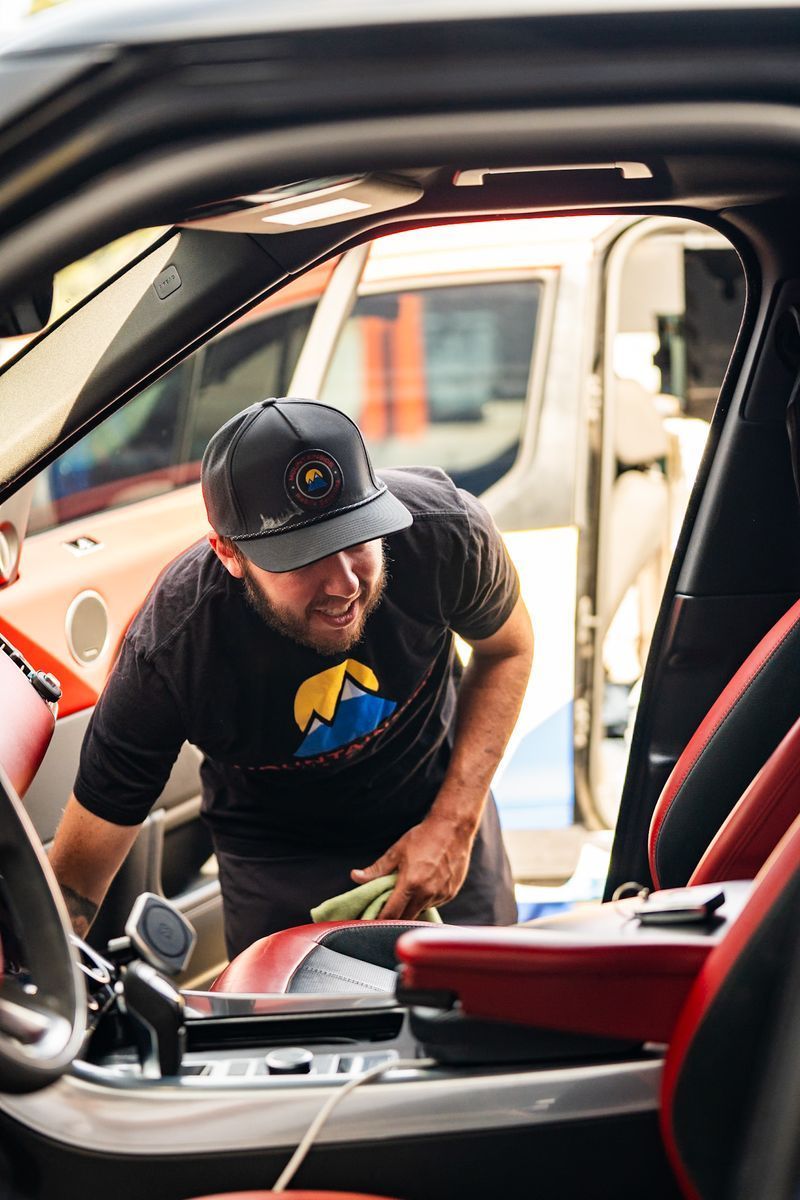
Start by vacuuming seats to remove loose debris from seams and crevices. Use a soft brush attachment to avoid marking surfaces. For cleaning, dampen a microfiber cloth with water and wring it thoroughly. Work in small sections, wiping gently in a consistent direction.
For more thorough cleaning, apply a dedicated leather cleaner to your cloth rather than directly on the seat. Work the product into the surface with light pressure. Avoid saturating the leather, and take extra care around stitching and perforations.
Wipe the cleaned area with a separate damp cloth to remove cleaner residue. Allow surfaces to dry completely before conditioning.
What to Avoid
Some products cause more harm than good on automotive leather. Stay away from dish soap, which strips natural oils and can leave residue. Glass cleaners contain chemicals that dry leather quickly. Baby wipes often contain moisturizers and fragrances that leave film on surfaces. All-purpose household cleaners are too harsh for leather finishes.
Avoid abrasive materials like rough sponges or stiff brushes. Even gentle scrubbing with the wrong tool can damage protective coatings.
Conditioning for Long-Term Health
Conditioning replenishes oils and maintains the leather's flexibility. This step prevents the drying and cracking that occurs when leather loses moisture faster than it can be replaced.
Frequency
Most automotive leather benefits from conditioning every two to three months. Vehicles parked outside or in sunny areas may need more frequent conditioning. Climate matters too. Dry climates like Colorado's Front Range pull moisture from leather more aggressively than humid environments.
Application Method
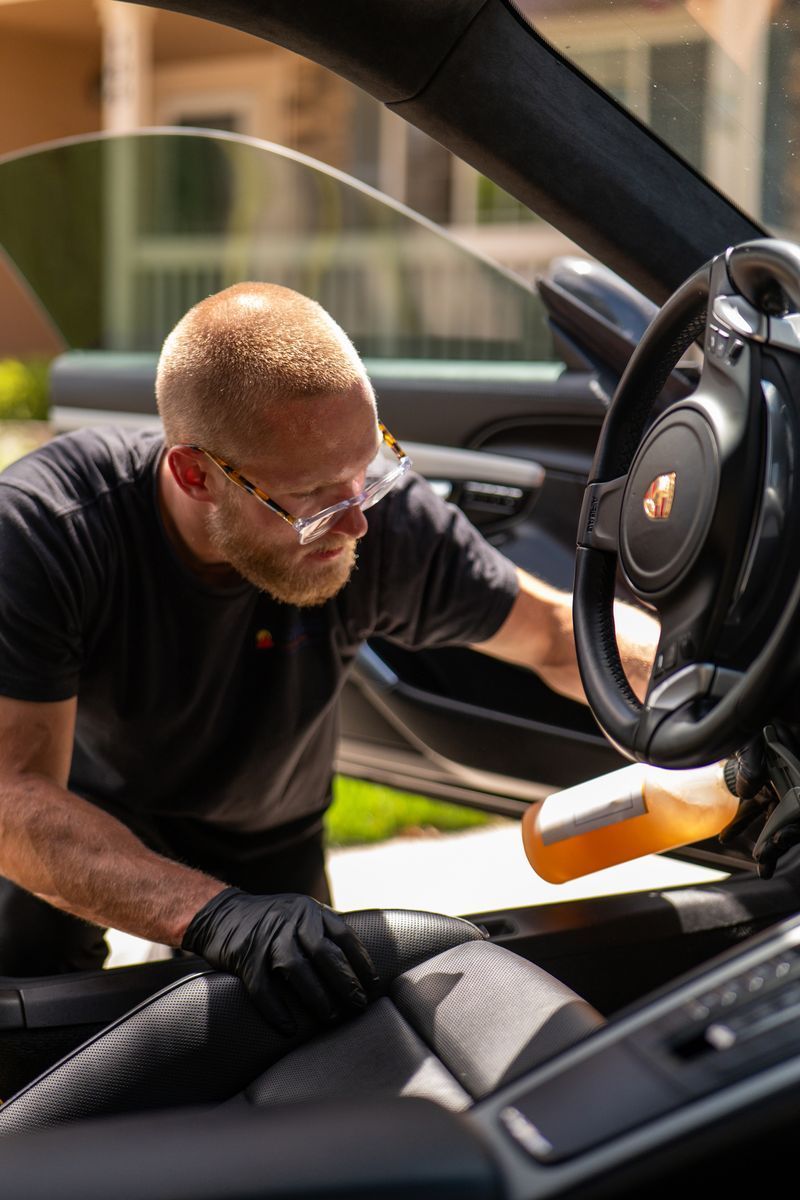
Apply conditioner to a microfiber applicator pad rather than directly onto seats. This gives you control over how much product contacts the surface. Work in sections, using circular motions to distribute the product evenly.
Use a light hand. Excessive conditioner does not absorb properly and leaves seats feeling greasy or slippery. Multiple thin applications work better than one heavy coat.
Allow conditioner to absorb for the time specified by the product instructions, then buff away any excess with a clean microfiber cloth. Properly conditioned leather should feel smooth and supple, not oily or sticky.
Perforated Leather Considerations
Apply conditioner sparingly on perforated surfaces. Excess product seeps into holes and can attract dust or create buildup over time. Use less product than you think necessary and buff thoroughly to prevent accumulation in perforations.
Building a Maintenance Routine
Consistency matters more than intensity. A simple routine you actually follow produces better results than an elaborate process you abandon after a few weeks.
Weekly Tasks
Wipe down high-touch areas with a dry or slightly damp microfiber cloth. This includes the steering wheel, shift knob, and armrests where skin contact transfers oils regularly.
Monthly Tasks
Vacuum seats and floor areas. Wipe all leather surfaces with a damp microfiber cloth to remove accumulated dust and light soiling.
Quarterly Tasks
Perform full cleaning with a dedicated leather cleaner. Follow with conditioning treatment. Inspect all leather surfaces for early signs of wear or damage.
Seasonal Considerations
Colorado's conditions create specific challenges. Winter brings reduced humidity that accelerates drying. Summer brings intense UV exposure and heat buildup in parked vehicles. Consider conditioning more frequently during these seasons and parking in shade when possible.
When Home Care Is Not Enough
Some situations exceed what routine home maintenance can address. Recognizing these cases saves time and prevents making problems worse.
Stubborn Stains
Certain stains set into leather over time and resist normal cleaning. Ink, dye transfer from clothing, and some food stains may need professional extraction techniques that home products cannot match.
Significant Wear
Heavy cracking, large areas of fading, and structural damage to seats need professional evaluation. Attempting restoration at home on severely damaged leather often makes the condition worse. Professional full detailing services include inspection and treatment of interior surfaces.
Odor Issues
Persistent odors embedded in leather typically need professional treatment. Masking products do not solve the underlying problem and may leave additional residue.
Time Constraints
Many vehicle owners simply prefer the convenience and results of professional care.
Maintenance detailing programs deliver scheduled professional care that keeps interiors in condition without requiring the owner's time.

Sands of Time

Beyond Boundaries
Protecting Your Investment
Learning how to clean and condition car leather seats gives you the knowledge to maintain appearance between professional services. Regular attention prevents the deterioration that leads to expensive restoration or replacement.
The important thing is starting before damage becomes visible. Leather that receives consistent care from the beginning maintains its condition far longer than leather that only gets attention once problems appear.
For vehicle owners in the Denver Metro Area, professional interior care is available when you need it. Whether you want a single service or ongoing maintenance, contact us to discuss your vehicle's needs.
FAQ
How often should I condition leather seats in a vehicle parked outside?
Vehicles parked outdoors face more intense UV exposure and temperature cycling than garage-kept vehicles. This accelerates moisture loss from leather surfaces. Consider conditioning every six to eight weeks rather than quarterly. During summer months with intense sun, monthly conditioning may be appropriate. Watch for early signs of drying and adjust your schedule based on how the leather responds.
Can I use the same products on my steering wheel as my seats?
Most steering wheels feature leather or leather-wrapped surfaces that respond to the same products used on seats. However, steering wheels receive more handling and may need cleaning more frequently than seats. Avoid leaving conditioner residue on steering wheel surfaces, as this can create a slippery grip. Buff thoroughly after conditioning and ensure the surface is completely dry before driving.
What causes dye transfer onto leather seats?
Dark-colored clothing, particularly new denim, can transfer dye onto light-colored leather seats. The friction from sitting and moving creates conditions where dye migrates from fabric to leather. Once dye transfers, it often requires professional removal. Preventing transfer is easier than treating it. Allow new dark garments to go through several wash cycles before wearing them on light leather seats.
Is it possible to over-condition leather?
Yes. Applying too much conditioner or conditioning too frequently causes buildup that attracts dirt and leaves surfaces feeling sticky or greasy. Excess product can also clog pores in the leather and perforations in ventilated seats. If your leather feels oily or slippery after conditioning, you've applied too much. Clean the surface to remove excess product and use a lighter application next time.
Should I treat all leather surfaces in my vehicle the same way?
Different leather surfaces in your vehicle may have different coatings or wear patterns. Door panel inserts often receive less direct sunlight than seats. Dashboard leather may have different protective coatings. Generally, the same products work throughout the interior, but adjust application amounts based on the surface. High-wear areas like seat bolsters and steering wheels may need more frequent attention than door panels or center console trim.